
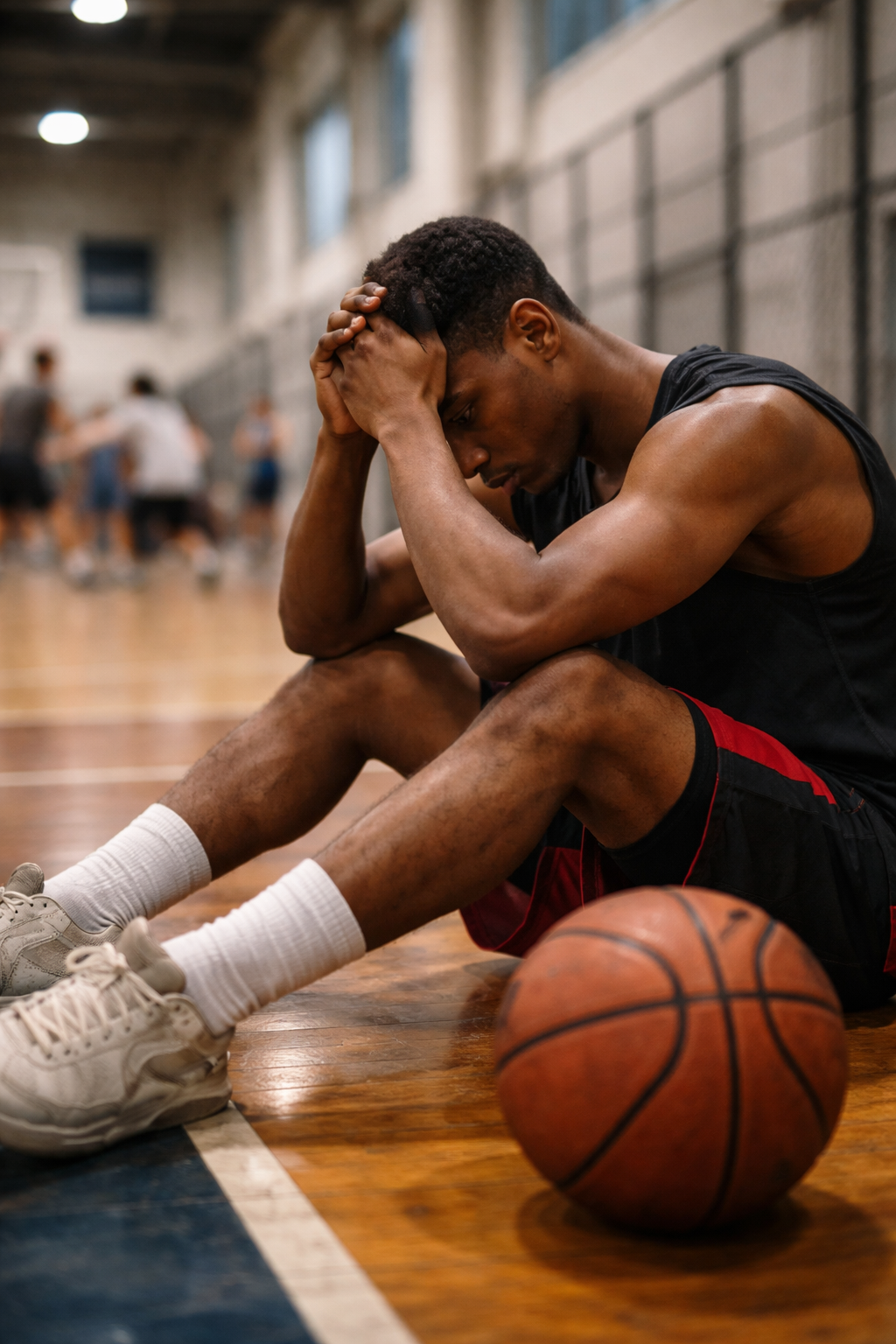
The Real Win in Recreational Sport Isn’t More Players. It’s More People Staying.
I used to think the win in recreational sport was simple: more people playing.
More sign-ups. More games. Bigger groups. More activity.
But after spending enough time inside pickup communities, leagues, and local sports groups, I’ve changed my mind.
I think the real win is more people staying.
Because I’ve seen the pattern too many times to ignore it.
Someone joins a game excited. They show up early. They’re hopeful. They’re trying something new, or they’re returning after a long break. They want to play, but also—whether they say it out loud or not—they want to feel like they’ve found their people.
And then they have one off experience.
It might be small. It might not even be dramatic. But it’s enough.
And after that… you never see them again.
Not because the sport was bad.
Because the environment didn’t feel safe, clear, or welcoming.
In recreational sport, you’re not just choosing a court.
You’re choosing a social experience.
People don’t quit sport. They quit the experience around sport.
When people stop showing up, it usually isn’t because they suddenly stopped loving basketball, football, volleyball, or whatever the game is.
It’s because something in the experience created friction that felt heavier than the joy:
They didn’t know the “vibe” and felt out of place. They didn’t know the rules and got judged for it. The game was too physical, too aggressive, too chaotic. Calls turned into arguments. Cliques made it hard to integrate. They didn’t feel respected. They didn’t feel safe.
And the tricky part is: most people won’t complain.
They’ll just disappear.
Which means communities don’t always realise they’re leaking people until it’s too late.
That’s why I think belonging is the real product.
We talk about sport like it’s the product.
But sport is the vehicle.
Belonging is what people are actually trying to find.
Belonging is what turns: a one-off run into a routine a routine into friendships friendships into community community into identity
And when a community nails that, it becomes sticky in the best way. People don’t just attend. They commit. They invite others. They protect the vibe. They become part of the leadership without being asked.
That’s when a sports community becomes more than a game.
Belonging doesn’t happen by accident
The best communities I’ve experienced weren’t perfect. They just had a few things that were consistent enough to build trust.
If I had to describe what creates belonging in rec sport, it comes down to four things:
1) Clarity
People need to know what they’re walking into.
How competitive is it? How physical is it? How are teams picked? How are calls handled? What behaviour isn’t tolerated? Who do you talk to if something feels off?
When those things are unclear, new players feel anxious. And anxiety kills retention.
Clarity makes it easier to relax and enjoy.
2) Shared norms
A thriving community has an unspoken “how we do things here.”
Not in a strict way. In a human way.
We respect each other. We don’t embarrass new people. We play hard but controlled. We don’t argue every call. We look after each other.
When norms are shared, people don’t feel like they’re stepping into a social minefield.
3) Consistency
This is what separates a good day from a good community.
Consistency means: the vibe is similar week to week the standards don’t change based on who is present newcomers can predict what the experience will be like issues get addressed early, not ignored
People return when they can trust what the experience will feel like.
4) Trust
Trust is the invisible currency of recreational sport.
It’s the belief that: you won’t be disrespected you won’t be unsafe if something happens, it’ll be handled fairly you can show up alone and still be included you can make mistakes and still be treated like a human
Trust is what makes someone think: “I can keep coming back here.”
The biggest red flag in rec sport isn’t drama. It’s silence.
The communities that become toxic often don’t explode. They slowly decay.
People stop calling things out. Organisers stop wanting to deal with issues. New players stop returning. The group gets smaller but louder. The vibe becomes “this is just how it is.”
And once that happens, even strong communities can become fragile.
Which is why I’m obsessed with a different question than “How do we get more players?”
I’m focused on:
How do we make it easier for people to stay?
How do we build sports environments where newcomers don’t need thick skin to belong?
How do we protect the best parts of sport—the highs, the joy, the friendships—without the chaos that pushes people away?
A conversation I genuinely want to have
So I’m curious, and I’d love real answers:
What actually makes you stay in a sports community? And on the flip side—what’s the one thing that makes you disappear?
If you’ve ever stopped showing up somewhere, what broke first?
Was it a moment? A pattern? A vibe?
I’m reading every response, because I believe this matters more than people think.
By: Platform Admin
May 29, 2026
Other blogs

What Does Greatness Mean to You? My personal take on basketball greatness — looking beyond stats and championships to the stories, influence, adversity, competition and legacies that made these players unforgettable.
Chris Calixto
What toxicity really looks like in recreational sports, and how better systems reduce it.
Chris Calixto